 Restaurant Recipes Real Recipes. Clear Steps. Made to Work Every Time.
Neapolitan Margherita Pizza Recipe (Italy’s #1 Ranked Dish)
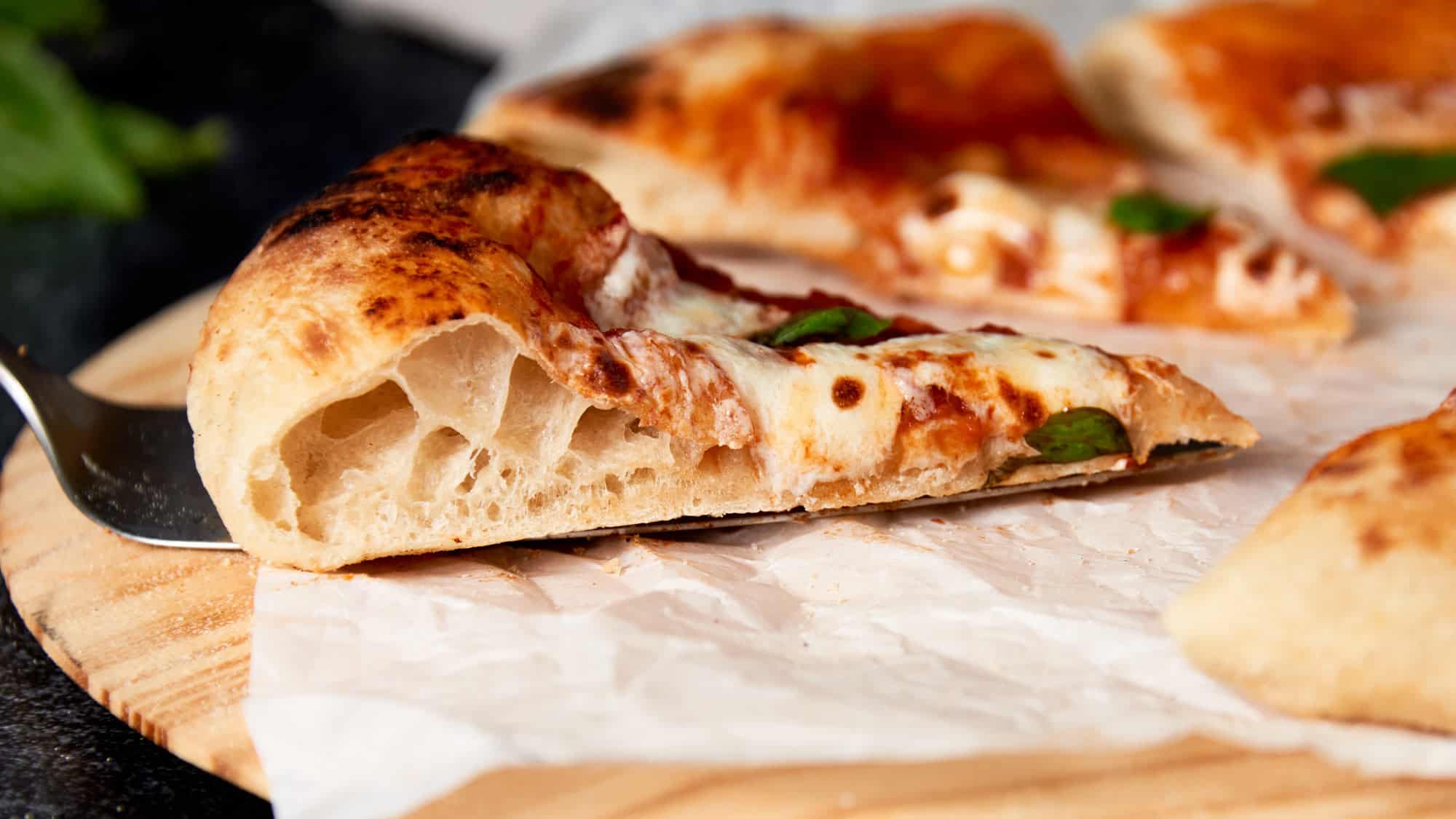
There’s something magical about sitting down to enjoy a freshly baked Neapolitan Margherita Pizza Recipe, a dish born in Naples in 1889 to honor Queen Margherita. Its red tomatoes, white mozzarella, and green basil symbolize the Italian flag, and ever since, this simple pizza has represented Italy itself. I remember trying it for the first time in Naples. The crust was soft yet charred, the sauce delicious and tangy, and I learned quickly why locals insist you eat it the moment it comes out of the oven.This recipe is for anyone who wants to recreate an authentic Italian experience at home. It could be a weekend kitchen project, a way to impress friends, or simply treating yourself to a pizza that feels straight out of Naples.Difficulty: Moderate (the dough needs patience, but it’s worth it)
Ingredients
Method
- Mix the dough. Dissolve yeast in lukewarm water, then add flour and salt. Stir until shaggy, then knead on a floured surface for 8–10 minutes until smooth and elastic.
- Let it rise. Place the dough in a lightly oiled bowl, cover, and let rest for 1 ½–2 hours or until doubled. (Tip: I sometimes leave it overnight in the fridge. The flavor deepens beautifully.)
- Prepare a sauce. Blend or crush the San Marzano tomatoes with a pinch of salt. Keep it uncooked for that bright, fresh Neapolitan flavor.
- Preheat the oven. Crank it to maximum (250–280°C / 480–530°F). Heat a pizza stone at least 45 minutes ahead for best results.
- Shape the dough. Divide them into two. Stretch gently with your hands into circles, keeping the edges slightly thicker. (Mistake I once made: using a rolling pin, it flattens the air out of the crust.)
- Assemble. Spread tomato sauce lightly, scatter mozzarella chunks, drizzle with olive oil, and add basil leaves.
- Bake. Slide onto a stone or a tray. Bake for 7-9 minutes until the crust is puffy and slightly charred, and the cheese bubbles.
- Serve hot. Neapolitan pizza loses its magic if left sitting. Slice and enjoy immediately.
Video
Notes
🍅 Tomatoes matter: San Marzano's are traditional, but if unavailable, use good-quality plum tomatoes. Expect slightly different sweetness.
🔥 Oven heat is key: True Neapolitan pizza bakes at 485°C (905°F) in wood-fired ovens. At home, give your oven time to reach max heat.
🧀 Mozzarella tip: Drain buffalo mozzarella at least 30 minutes before baking. Excess liquid will make your pizza soggy.
❌ Lesson learned: Overloading with toppings may seem tempting, but it ruins the crust. Keep it minimal
🌿 Seasonal touch: In summer, add fresh basil after baking for a brighter, more fragrant finish.
What Makes This Dish (And Mistakes to Avoid)
What Makes It Special?
- The dough: High hydration and long fermentation give the Neapolitan crust its signature chew and puff.
- Simplicity: Each topping stands out. You would taste the tomato, the dairy, and the olive oil separately and together.
- Technique over toppings: This pizza relies more on how you cook than what you put on.
Common mistakes
- Too much cheese: It pools, releases moisture, and makes a soggy center.
- Cold dough won’t stretch well and won’t rise properly in the oven. Let it rest at room temperature for 1–2 hours before baking.
- Wet sauce: Don’t use watery canned tomatoes straight from the can. Drain or simmer slightly.
- Low oven temperature: The faster the baker, the better the crust. Under 500 °F just won’t do.
Serving Suggestions & Variations
When to Serve It
- As a light dinner with an arugula salad and red wine.
- As part of a pizza night with multiple topping options, keep the Margherita simple.
- Cold the next day? Not ideal. Neapolitan crust doesn’t hold up. Reheat in a pan, not a microwave.
Topping Variations (Still Keep it Neapolitan-ish)
- Add thin slices of prosciutto after baking.
- Drizzle with chili oil or truffle oil if you’re feeling fancy.
- Substitute smoked mozzarella for a deeper, richer bite.
- Want garlic? Rub a clove into the dough before the tomatoes go in.
Tips & Tricks
- Use ’00’ flour if possible. Finer, lighter texture, better gluten structure.
- Stretch, don’t press: Pressing forces out air bubbles. Stretch with your fingers or over your knuckles.
- Use parchment paper if you’re afraid of sticking. Slide the pizza onto the stone with the paper underneath for the first minute, then pull it out.
- No pizza stones? Use an upside-down cast-iron skillet or a preheated heavy baking sheet.
- Mozzarella tip: Drain excess liquid. Too much moisture is the enemy.
- Added basil either before or after baking gives it a roasted flavor, which keeps it fresh and herbal.
Final Thoughts
Neapolitan Margherita pizza teaches restraint. It’s less about piling on and more about giving each component room to breathe. It’s the kind of dish that improves the more you practice, not because you learn new tricks, but because you start to feel the dough and read the oven.
Make it when you have time. When you care about the process. And when you’re in the mood for something humble but made with attention.
Nutrition (per slice, based on 8 slices)
- Calories: ~250
- Protein: 10 g
- Carbs: 35 g
- Fat: 9 g
- Fiber: 2 g
FAQS
What are the rules for making Neapolitan pizza?
True Neapolitan pizza follows the guidelines set by the Associazione Verace Pizza Napoletana (AVPN). Key rules include: Dough made with only flour, water, salt, and yeast Hand-stretched (not rolled) Cooked at ~485°C (905°F) in a wood-fired oven for 60–90 seconds Toppings must be simple: crushed San Marzano tomatoes, fresh mozzarella, fresh basil, and olive oil At home, you can respect the spirit of these rules with high heat, quality ingredients, and a light hand on toppings.
How long does it take for a Neapolitan pizza to rise?
The dough needs at least 1 to 2 hours for a basic rise, but ideally, ferment it for 24 to 48 hours in the fridge. Longer fermentation develops flavor and creates a soft, stretchy dough with better structure.
What is the secret of Neapolitan pizza?
The real secret lies in three things: High heat: A blazing hot oven (preferably 800°F or higher) for a fast cook and puffy crust. Hydration and fermentation: The dough should be soft, slightly wet, and fermented long for flavor. Simplicity: Quality over quantity. Fewer, better toppings win every time.
At what temperature do you cook a Margherita pizza?
Authentic Margherita pizza is cooked at around 485°C (905°F) in a wood-fired oven. At home, use your oven’s maximum setting (ideally 500°F/260°C or more), preheated with a pizza stone or steel for at least 45 minutes.