 Restaurant Recipes Real Recipes. Clear Steps. Made to Work Every Time.
Quick Hibachi Fried Rice Recipe Perfect for Weeknights
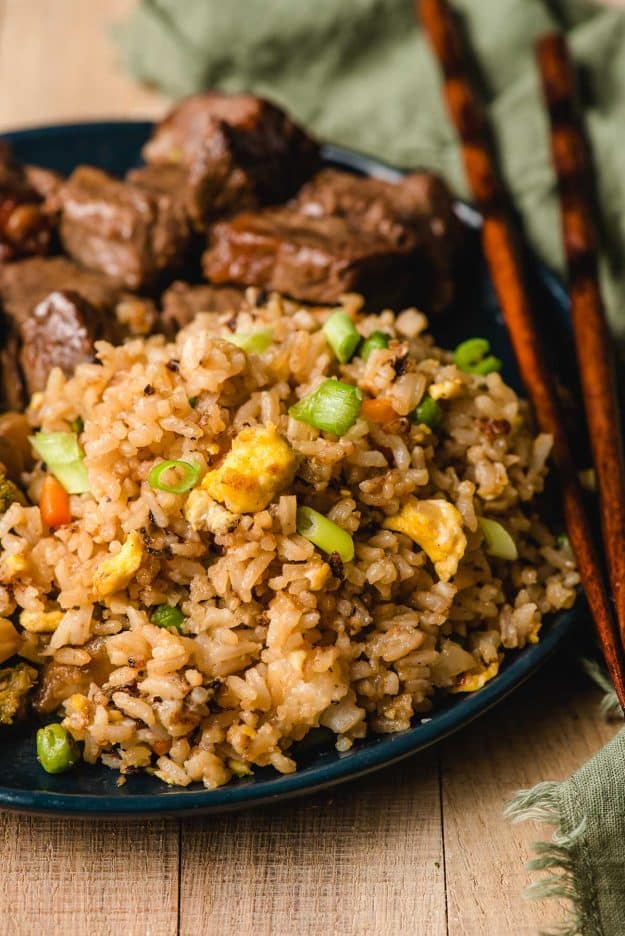
The first time I tried a Hibachi Fried Rice Recipe at home, it reminded me of sitting around the sizzling grill at a Japanese steakhouse. The smoky aroma, butter-rich flavor, and just the right balance of soy sauce and garlic make it stand out from regular fried rice. My first attempt, though, lacked that signature flavor because I skipped the butter, thinking it wouldn’t matter. That mistake taught me butter was the secret to hibachi-style richness.This recipe is for anyone who wants a restaurant-style side dish at home, perfect with hibachi chicken, steak, or shrimp, or as a quick meal on its own.Difficulty: Easy
Ingredients
Method
Prep rice.
- Break the cold rice into loose grains with your hands or a fork. Damp or clumped rice = steam, not fry.
- Sear the protein (if using).
- Heat a wok or wide skillet over high heat until just smoking. Add 1 TBSP oil. Stir-fry chicken (3-4 min), shrimp (2 min), or tofu (3-4 min) until browned. Transfer to a bowl.
Aromatics
- Add the remaining 1 TBSP oil and butter. Add the onion; stir-fry for 60–90 seconds until translucent. Add garlic/ginger; cook 20-30 seconds until fragrant.
Egg
- Push the aromatics to the side. Pour in the beaten eggs; scramble them softly until just set. Chop them into small pieces with a spatula.
Rice in a hard sear
- Add rice. Spread it in an even layer; leave it alone for 30-45 seconds to pick up a little crust. Flip and repeat once.
Season & toss
- Return the protein. Sprinkle soy sauce around the pan edges (helps it vaporize and coat). Toss rapidly. Taste: add a splash more soy if needed.
Finish
- Peas/carrots/corn in; tossed 30-60 seconds. Off the heat. Drizzle with sesame oil. Fold in the scallions. Serve immediately.
Video
Notes
Lesson learned: Skipping butter loses that hibachi quality; it’s essential.
Rice tip: Day-old rice fries best; fresh rice clumps and turns mushy.
Eggs: Cook separately to keep the texture fluffy.
Garlic: Adds depth, but don’t let it burn.
Food safety note: If using chicken, cook to 74°C / 165°F internal temperature; shrimp should be opaque and firm. Keep raw proteins/boards/knives separate from veg (avoid cross-contamination). Chilled leftovers for 2 hours.
Tips & Tricks for Hibachi Fried Rice Recipe
- Day-old rice wins: Fresh rice is steamy and sticky. If you must use fresh, spread it on a tray and fan 20 minutes to dry.
- Pan heat matters: If the ingredients aren’t sizzling immediately, the pan’s not hot enough. Pre-heat longer.
- Don’t babysit every grain: Short, intentional pauses create that faint toasty note.
- Season in layers: A pinch of salt on onions, then soy at the end. Cleaner flavor than dumping all at once.
- Butter + sesame oil = hibachi signature: Butter goes in hot; sesame oil goes in off heat, so it doesn’t go bitter.
- Clump control: Wet your spatula or use chopsticks to tease clumps apart without smashing the grains.
- Missing something? A tiny splash of rice vinegar or mirin lifts the flat flavors.
- Tofu tip: Press 20 minutes, pat dry, pan-fry first for firm edges that won’t crumble.
Serving Suggestions for Hibachi Fried Rice Recipe
- Hibachi at home set: Pair with quick-seared chicken or shrimp, and a side of sautéed zucchini and onions.
- Sauce bar: Chili oil, sriracha, Japanese mayo, or a drizzle of tonkatsu-style sauce.
- Texture contrast: Top with crispy garlic chips, toasted nori strips, or sesame seeds (if not allergic).
- Greens: cucumber salad or miso soup. Keep the meal light but balanced.
- Leftover Plan: Cool fast, free in fridge for up to 3 days. Reheat in a hot pan with a teaspoon of water; avoid microwave sogginess.
Seasonal Variations & Flavor Twists on Hibachi Fried Rice Recipe
- Spring: asparagus tips, snap peas, and lemon zest; chicken or tofu.
- Summer: Corn off the cob, diced bell pepper, scallion tops; finish with lime.
- Autumn: Shiitake mushrooms, diced carrots, a dash of oyster sauce (skip if shellfish-free).
- Winter: Frozen mixed veg + kimchi (drained) for heat; top with a soft-yolk egg (if eating eggs).
- Garlic-butter shrimp: Extra garlic, finished with parsley and lemon.
- Curry twist: 1–2 tsp of Japanese curry powder with onions.
- Umami boost (veg): A teaspoon of white miso dissolved in a splash of hot water, stirred in at the end.
What Could Go Wrong And How To Avoid It
- SOGGY, PALE RICE: Pan too crowded or not hot. Use a wide pan; cook in batches. Let the rice sit between flips.
- Sticky clumps: Rice wasn’t cooled/dried. Break up cold rice before cooking; don’t drench it with sauce.
- Flat flavor: Salt the aromatics lightly, then finish with soy. Add acid (rice vinegar) or a pinch of sugar to balance.
- Greasy feeling: too much oil or butter late. Measure the fat; add sesame oil after cooking, but not during.
- Rubbery shrimp/dry chicken: overcooked. Shrimp go in late; chicken should be bite-sized and seared fast.
- Burnt garlic: Add garlic after onions soften; stir for only 20–30 seconds.
Nutrition (approx. per serving, 1 of 3)
- Calories: ~420
- Protein: ~13g (without extra protein)
- Carbs: ~65g
- Fat: ~12g
- Sodium: varies with soy sauce (start low, add to taste).
Adjustments: Add 6–8 oz chicken bump protein by ~20–25g per serving; tofu adds ~10–12g.
Final Thoughts
Fried rice rewards rhythm more than recipes. Get the rice dry, the pan hot, and you’re tossing confidently. From there, you can steer through flavor with tiny tweaks: soy for depth, sesame for aroma, vinegar for lift, butter for that hibachi streak. Keep it simple. Cook it hot and eat it right away.
FAQS
What are the ingredients in hibachi fried rice?
Day-old cooked rice (short/medium-grain works best) Neutral oil + a knob of butter (classic hibachi flavor) Eggs, onions, mixed veg (carrots/peas/corn) Soy sauce (or tamari for gluten-free), sesame oil to finish Optional aromatics: garlic, ginger, scallions Optional protein (no pork): chicken, shrimp, or firm tofu
What is the secret ingredient in hibachi fried rice?
The not-so-secret combo is butter + soy sauce, finished with a few drops of sesame oil off the heat. Many restaurants also use a pinch of MSG for extra umami (optional at home). A splash of mirin or rice vinegar can brighten flavors without making them sweet or sour.
What do hibachi chefs squirt on rice?
Soy sauce (or a light seasoning sauce), Neutral oil (for frying). Water or light stock (tiny splashes to steam-fluffle and deglaze), Melted garlic butter (often brushed or drizzled near the end). “Yum-yum” or spicy mayo is usually served on the side, not cooked into the rice
What’s the difference between hibachi and fried rice?
Hibachi fried rice: cooked on a flat-top griddle/teppan, buttery, lightly seasoned, small-diced veg, tender grains with a gentle sear. Chinese-style fried rice: cooked in a wok (high “wok-hei” heat), typically long-grain rice (e.g., jasmine), dry texture, seasoning leans to light soy/oyster sauce/aromatics with less butter.